CITIZEN SCIENCE
What is Citizen Science?
Citizen science refers to any scientific project where volunteers perform research-related tasks such as observation or measurement to help assess the health of the nation's treescape.
Some of the ways that Citizen Science projects can help safeguard plant health are:
- detection, surveillance and early warning of a pest or disease
- supporting official surveillance and outbreak management
- supporting research into particular pests and diseases
- supporting the mapping of particular pests and diseases
- capturing the values of our plants including the ecosystem services of healthy plants, assessing the value loss due to a particular pest and disease, and providing evidence to build the case for intervention
Observatree: An early warning system for tree health
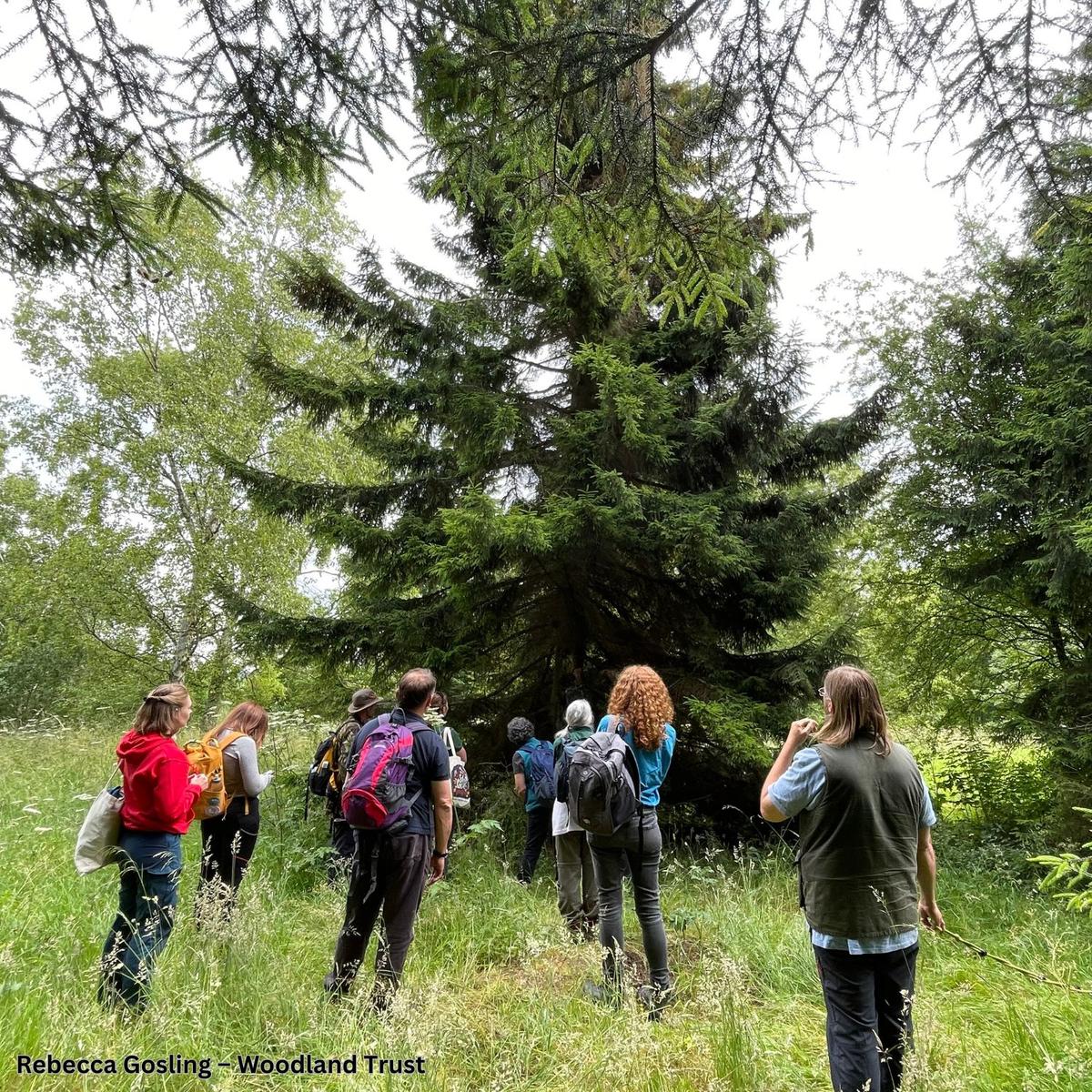
The UK government and the devolved governments have worked with partners from the public and charitable sectors to deliver Observatree; a tree health early warning system based on citizen science that supports official surveillance on tree health. This partnership project involves Forest Research, Fera Science Ltd, the Woodland Trust, the National Trust, and government. The project has developed a GB wide network of trained volunteers to survey trees and report the presence of 24 high priority pests.
Observatree volunteers have completed more than 30,000 surveys in 12 years, including 3,628 reports of priority pests and diseases, providing valuable information to support both policy and operational decisions. Central to Observatree’s success has been the dedicated volunteer network and the development of TreeAlert, a tree health reporting tool run by Forest Research that feeds into the government surveillance system. Last year during National Plant Health week we asked the general public to become citizen scientists, and get involved to check their sweet chestnuts for tree diseases.

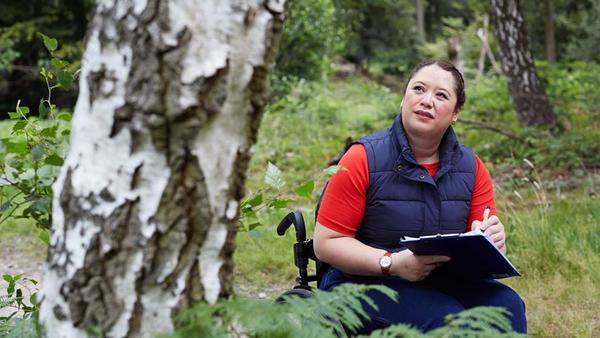
Read more about the last 12 years of Observatree.
Each month, the Observatree team pick a type of tree, outline how to identify it and look at some of the pests or diseases of concern that are associated with it. See the Observatree Host of the Month via their blogs
TreeAlert
TreeAlert is the online reporting tool for tree pests and diseases, managed by Forest Research with funding from Defra, Forestry Commission, Scottish Forestry and Welsh Government. It is a valuable aid, allowing you to quickly report any suspect findings of tree pests and diseases which are of concern in Britain. Anyone can report through TreeAlert.
Registered users of TreeAlert can submit information on trees that appear to be healthy, providing important information on where pests and diseases are absent. They can also search the system for information on the health of trees in their area.
Help us gather information about the health of the nation’s trees, woodlands and forests by reporting signs of dangerous tree pests and diseases using TreeAlert.
To submit a useful report of a tree health problem you will be taken through a series of pages where you will be asked a number of questions about your observation. The more information you can provide, the more useful your report will be.
The ‘Check a Sweet Chestnut’ Citizen Science Call 2026
We need you! Be a good plant health citizen and help report on the health of our sweet chestnut trees
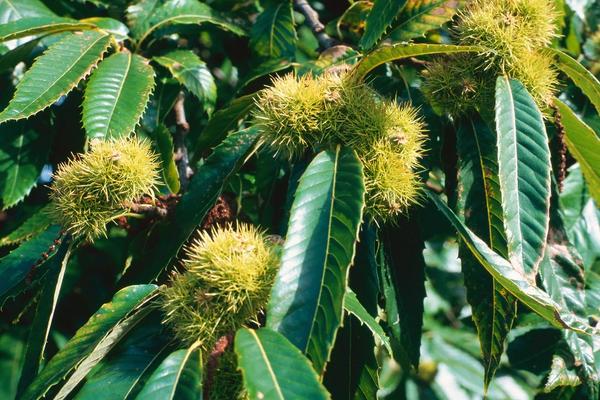
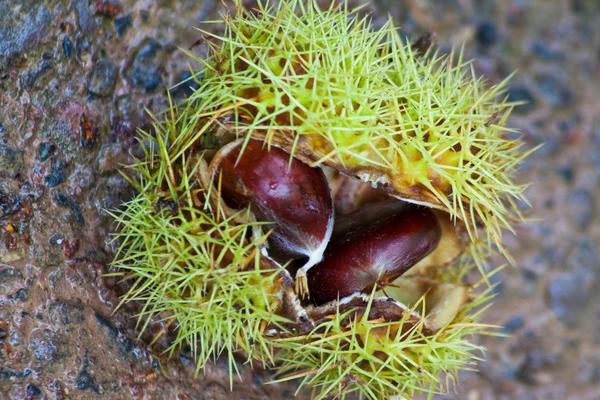
Relaunching in spring 2026 and continuing over the summer, we are conducting a national check-up on the health of our sweet chestnut trees. We need as many people as possible to help out and report their findings through Forest Research’s TreeAlert system – the official online tool for reporting tree health of concern in Britain.
The call to action follows findings of sweet chestnut blight, a disease which is usually fatal to sweet chestnut. For more information on sweet chesnuts, sweet chestnut blight and gall wasp visit: Check a sweet chestnut | RHS / RHS
How to get involved
- Get prepared by checking the signs and symptoms of sweet chestnut blight and the Oriental chestnut gall wasp
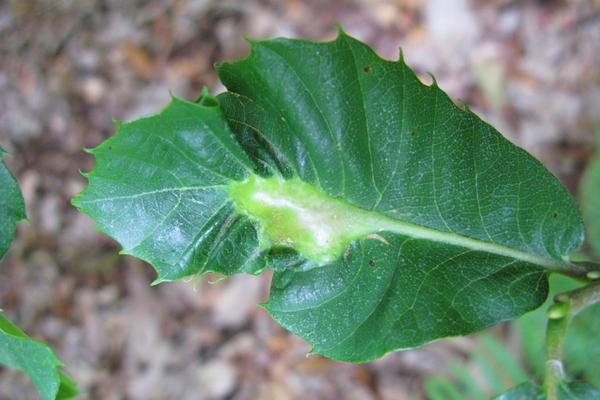
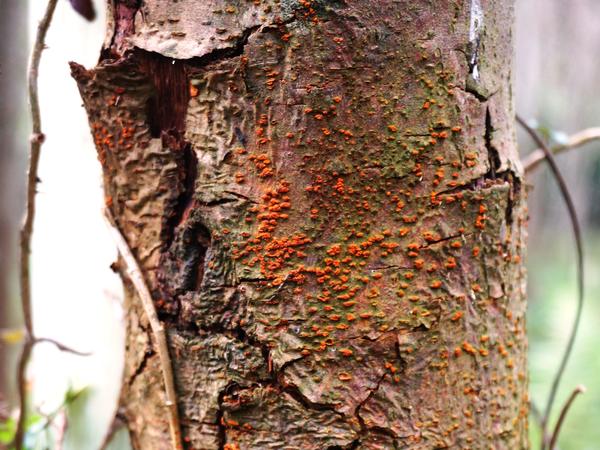
- Find a sweet chestnut tree when out on a walk and check the tree’s health – look for disfigured patches of bark with a sparse crown of leaves (symptoms of sweet chestnut blight) and Oriental chestnut gall wasp leaf galls.
- Report your findings to TreeAlert. If you find suspected sweet chestnut blight or Oriental chestnut gall wasp, submit a ‘general report’. Make sure to select ‘Check a Sweet Chestnut’ as the project. Registered users of TreeAlert can also report healthy sweet chestnut trees as this helps provide further insight into the health of sweet chestnut as part of wider surveillance.
The Check a Sweet Chestnut campaign will run from March – November, and is in association with Forest Research, the RHS, Defra, APHA, Forestry Commission, Observatree and Coventry University.
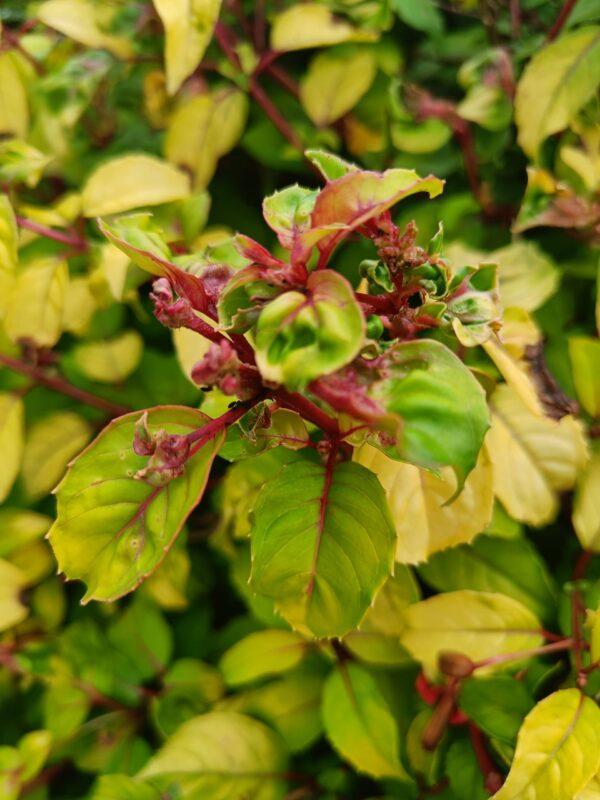
Get Involved- Mapping the Spread of Fuchsia Gall Mite
Have you observed signs of Fuchsia Gall Mite in your garden? Submit the sighting and help gardeners track its movement and respond effectiviely.
The Fuchsia Gall Mite Monitoring Project collects public reports to track the spread of Fuchsia Gall Mite across the UK, using an interactive map and structured data to monitor its impact on gardens. Led by Kristopher Harper‑Allison of Harper & Debbage, the project works with the British Fuchsia Society and others to raise national awareness and improve understanding of this pest. Check out the latest distrubution map.
For more info click here